 how-to
How can you avoid ghosting on dating apps?
Last Updated: October 26, 2026
Quick Summary
To avoid ghosting dating apps, treat the other person how you'd want to be treated by communicating honestly at every stage, from setting expectations early to deliberately ending conversations rather than letting them fade into silence. Be direct about your feelings, respond consistently or explain why you can't, and acknowledge the other person's effort even if you're not interested.
- Send one follow-up message if someone doesn't respond within 3-5 days, then stop to avoid seeming pushy.
- Use scripts like 'I've enjoyed getting to know you, but I don't think this is going where I'd hoped' to end connections kindly.
- Match your communication style to the dating stage, with more engagement expected after dates than early conversations.
- Choose dating platforms with verification and values-based matching to filter out people more likely to ghost.
- Respond consistently or explain your unavailability rather than suddenly going silent after regular daily texting.
Table of Contents
- What ghosting means and why it happens on dating apps
- How to avoid ghosting someone: a stage-by-stage approach
- How to stop talking without ghosting: direct communication at every step
- Dating app conversation tips to reduce misunderstandings
- How long to wait before following up on a dating app
- How to respond to being ghosted and protect your self-worth
- Why choosing the right platform reduces ghosting from the start
- Starting your authentic dating journey
- Frequently Asked Questions
What ghosting means and why it happens on dating apps
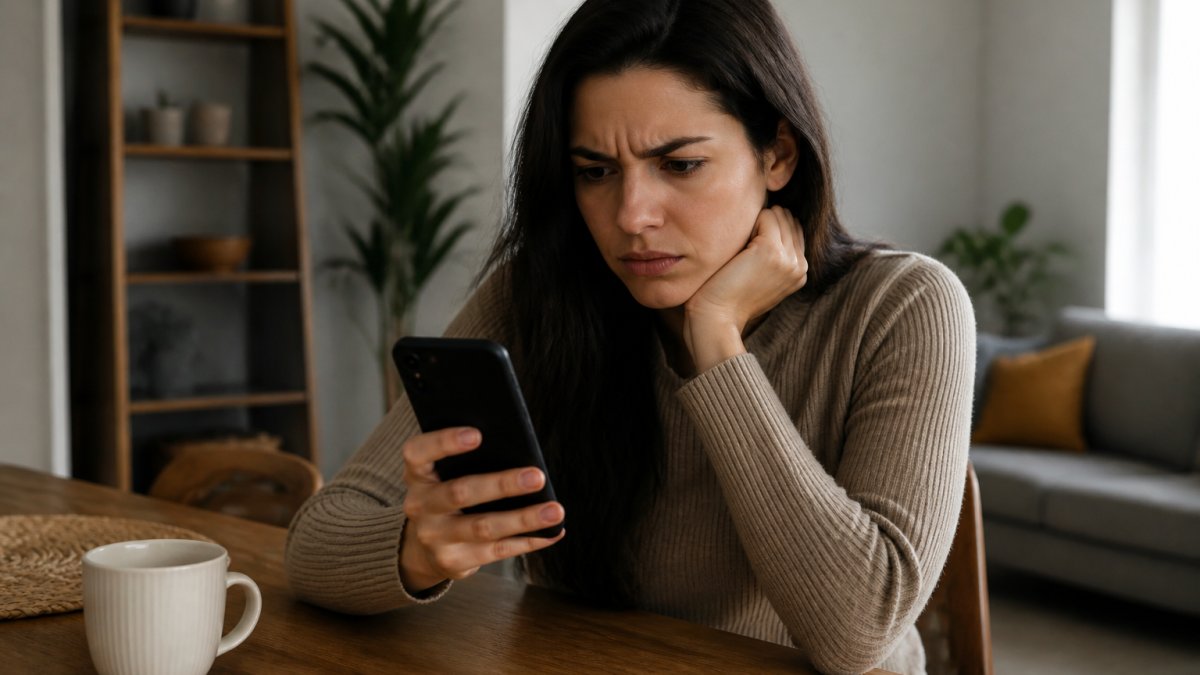
Ghosting is when someone stops responding to your messages without explanation or warning. One moment you're having a conversation. The next, silence. No goodbye, no explanation, no closure.
It happens on dating apps because the barrier to exit is low. There's no social consequence. People can disappear without facing the person they're leaving behind.
Most apps prioritize volume over intention. Users swipe through hundreds of profiles, match with dozens of people, and juggle multiple conversations at once.
But ghosting leaves real damage. The person being ghosted is left confused, rejected, and uncertain. They replay conversations looking for what went wrong.
The good news: ghosting isn't inevitable. It's a choice. And understanding why it happens is the first step to avoid ghosting dating apps yourself.
How to avoid ghosting someone: a stage-by-stage approach
Avoiding ghosting comes down to one principle: treat the other person how you'd want to be treated. This requires understanding how compassion and consideration apply to every interaction. That sounds simple, but it requires intention at every stage of the connection.
Early conversations: setting expectations before they build
In the first few messages, be honest about what you're looking for. Don't pretend to want something you don't. If you're casually exploring, say so. If you're serious about finding a partner, make that clear.
When you're unclear about your own intentions, the other person fills in the blanks. They assume you're as interested as they are. Then when you disappear, it feels like rejection rather than a mismatch.
Set a simple boundary early: "I'm looking for something real" or "I'm just exploring right now." This filters out incompatible people before anyone invests emotionally.
If someone doesn't match your values or goals, it's okay to say so now rather than ghost later. A brief, honest message takes 30 seconds. It saves them weeks of wondering.
After a first date: when to speak up about your feelings
After a first date, you have more information. You know if there's chemistry, if you enjoy their company, if you see potential.
If you don't feel it, say something. Don't wait three days hoping they'll get the hint. Don't leave them on read. Send a message: "I had a great time, but I don't think we're the right fit.
This is harder than ghosting. It requires you to sit with their potential disappointment. But it's the right move.
If you do feel it, communicate that too. Don't play games with response times or pretend you're less interested than you are. People respond to clarity. They want to know where they stand.
Bumble's guidance on respectful communication recommends being direct and kind when ending a connection. Avoid leaving someone guessing.
When interest fades: scripts for honest disengagement
Sometimes interest fades gradually. You're still messaging, but the spark dims. You're not sure if you want to continue, so you respond slower. Your messages get shorter. Eventually, you stop replying at all.
This is where most ghosting happens. It's not a sudden decision to disappear. It's a slow fade that eventually becomes ghosting.
Instead, have an honest conversation when you notice the shift. Here are scripts you can adapt:
After a few dates: "I've really enjoyed getting to know you, but I don't think this is going where I'd hoped. I think we should both move on and find better matches."
After weeks of messaging: "I need to be honest with you. I've realized I'm not in the right headspace to date right now, and it wouldn't be fair to keep you waiting.
When you're not sure: "I've enjoyed our conversations, but I'm realizing we might not be the right fit long-term. I'd rather tell you now than waste your time.
These scripts are direct without being cruel. They give the other person closure and a reason, not just silence.
How to stop talking without ghosting: direct communication at every step
The secret to avoid ghosting dating apps is treating every stage of dating like a real relationship. Because it is.

Here's the practical approach:
Be honest about your availability. If you're busy or losing interest, say it. Don't pretend everything's fine and then disappear. People respect honesty more than they resent rejection.
Respond consistently or explain why you can't. If you've been texting daily and suddenly go silent for a week, the other person notices.
End conversations deliberately, not by default. If you've decided someone isn't right for you, send a closing message.
Match your communication style to the stage. Early on, shorter messages are fine. After a date or two, they expect more engagement.
Acknowledge the other person's effort. Even if you're not interested, recognize that they showed up, had a conversation, or took a chance.
Watch out: if you've already ghosted someone, don't suddenly reappear months later expecting forgiveness. The damage is done. Moving forward, commit to clarity.
Dating app conversation tips to reduce misunderstandings
Most ghosting happens because people misread signals or make assumptions. Learn how mindfulness and intentionality prevent miscommunication that leads to ghosting.
Ask clarifying questions. If someone's message is vague, ask what they mean. Don't assume. Don't fill in blanks.
Respond to what they actually said. Don't change the subject or ignore a question. Show that you're paying attention.
Mention specific details from previous conversations. This proves you were listening and care. It builds connection.
Be consistent in your tone. If you're warm and engaged one day and cold the next, it creates confusion.
Fielding Graduate University research on digital disconnects in dating emphasizes that self-awareness and clear communication reduce misunderstandings that lead to ghosting.
How long to wait before following up on a dating app
Timing matters. Wait too long and they think you're not interested. Follow up too fast and you seem desperate.
The rule: if someone doesn't respond within 3-5 days, send one follow-up message. Keep it light: "Hey, I know you're probably busy. Just wanted to say I enjoyed chatting with you."
Then stop. Don't send a third message. If they don't respond to that, they're not interested. Accept it and move on.
If they respond to your follow-up, great. Continue the conversation. If they don't, that's your answer. Ghosting them back doesn't help. Just delete the conversation and move forward.
The key is one follow-up, not multiple. Multiple messages feel like pressure. They push people away, not toward you.
Bumble's communication guidelines recommend brief, kind check-ins without expecting a response. Respect their silence as an answer.
You can also link to how soon to text after the first date for more detailed guidance on post-date follow-up timing.
How to respond to being ghosted and protect your self-worth
When someone ghosts you, the first feeling is usually confusion. Then hurt. Then anger.
Here's the truth: their ghosting says nothing about your worth. It says something about them. People who ghost are avoiding discomfort. They're choosing the easy way out.
Protect your self-worth by doing three things:
Don't take it personally. They don't know you. They made a choice about a stranger, not about you as a person.
Don't chase them. Don't send angry messages or try to make them feel guilty. It won't change anything. It only makes you look desperate.
Don't ghost the next person. Breaking the cycle is up to you. Choose to be better than the person who ghosted you.
National Institutes of Health research on resilience after ghosting found that ghosting did not negatively affect participants' sleep quality or objective well-being.
Move forward by refocusing on what you can control: your own behavior, your own choices, and the people you choose to invest in.
Why choosing the right platform reduces ghosting from the start
Not all dating apps are created equal. Some platforms attract people who are serious about commitment. Others attract people who are just swiping for fun.
The difference is in how the platform is designed. Apps that prioritize volume and quick matches make ghosting easier. Apps that require intention and verification make ghosting less likely.
Look for platforms that:
- Require verification so people are accountable for their actions
- Match based on values, not just looks
- Limit the number of matches so people focus on quality
- Require mutual interest before messaging starts
- Create a structured process that builds foundation before direct communication
You can explore dating apps compared to find the right fit for your goals and values.
Couplify, for example, uses mandatory government ID verification for every profile. This creates accountability. People are less likely to ghost when their identity is verified and tied to their behavior.
When you choose a platform that aligns with your values, you're already filtering out most ghosters. You're left with people who are intentional about dating.
Starting your authentic dating journey
Avoiding ghosting starts with a simple choice: treat other people the way you want to be treated.
Be honest about what you want. Communicate clearly at every stage. Respond with kindness, even when you're not interested. End conversations deliberately instead of letting them fade.
The dating apps you choose matter too. Platforms built on verification, intentional matching, and structured communication reduce ghosting because they attract serious people who value authenticity.
If you're tired of the chaos and superficiality of traditional dating apps, get started with Couplify and experience dating built on real connection.
The dating landscape is changing. People are tired of ghosting, tired of games, tired of wasting time on connections that go nowhere. They're ready for something real.
| Stage | Communication Goal | What to Say | Why It Matters |
|---|---|---|---|
| Early Messages | Set expectations | "I'm looking for something serious" | Filters incompatible people early |
| After First Date | Give feedback | "I had fun, but I don't see long-term fit" | Provides closure instead of confusion |
| Interest Fades | Be honest | "I'm realizing we might not be right for each other" | Stops the slow fade into ghosting |
| Before Disappearing | Explain your exit | "I need to focus on other priorities right now" | Gives them a reason, not just silence |
Frequently Asked Questions
How can you tell if someone is about to ghost you on a dating app?
Watch for patterns: messages becoming shorter or more generic, longer gaps between replies, vague answers to direct questions, and inconsistent reply times. If someone's emotional availability seems to drop or they stop asking about your life, these are signs they may be losing interest. However, delayed replies can also mean they're busy, don't assume ghosting until silence has lasted several days without explanation after you've sent a genuine message.
What should you say when you are no longer interested in someone on a dating app?
Be brief, kind, and direct. Try: 'I've enjoyed getting to know you, but I don't think we're the right match. I wish you all the best.' Avoid over-explaining or leaving false hope. Send it once and don't follow up if they don't respond. This honest approach respects their time and eliminates the pain of being ghosted.
How can you prevent someone from ghosting you on a dating app?
You can't fully prevent it, but you can reduce the likelihood by being authentic from the start, asking clarifying questions early about intentions, and matching with people on platforms that prioritize serious connections. Platforms using ID verification and structured communication before direct messaging attract users more committed to genuine connections, lowering the odds of being ghosted.
Is it bad to ghost on dating apps?
Yes. Ghosting leaves the other person uncertain and can damage their self-worth. A brief, honest message, even 'I don't think we're compatible', takes seconds and shows respect. Therapists and etiquette experts agree that while there are rare safety exceptions, most situations warrant a simple, kind explanation rather than silence.